
Trade Is No Longer Just Movement — It’s Intelligence
For decades, exports were simple in concept.
You produced goods, found a buyer, shipped the product, and completed the transaction.
But today, global trade is no longer just about movement —
it is about intelligence.
In 2026, exporters are not just competing on:
- price
- quality
- logistics
They are competing on something deeper:
👉 how well they understand the market before the shipment even begins
This shift is creating a new era of “Smart Trade” — where decisions are driven by data, demand signals, and real-time insights.
At Paathway Global, this transformation is not theoretical. It is happening on the ground, in everyday export decisions.
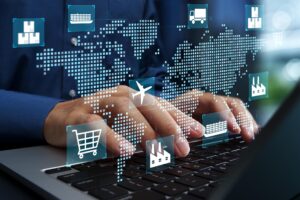
What Is “Smart Trade”?
Smart Trade is a modern approach to exports where businesses:
- Use data to understand market demand
- Plan shipments based on real-time insights
- Reduce risk through better forecasting
- Make informed decisions instead of reactive ones
In simple terms:
👉 Earlier: “Let’s export what we have.”
👉 Now: “Let’s export what the market needs.”
This difference may sound small — but it changes everything.
Why Smart Trade Is Emerging Now
Several global trends are driving this shift.
1. Increasing Global Trade Complexity
Global trade is becoming more fragmented due to:
- geopolitical tensions
- regulatory changes
- regional trade blocs
According to global trade updates, trade flows are being reshaped by geopolitical shifts and stricter regulations, impacting supply chains worldwide
This means exporters cannot rely on old patterns anymore.
2. Data Is Becoming Accessible
Today, exporters can access:
- trade statistics
- pricing trends
- demand forecasts
- buyer behavior insights
What was once available only to large corporations is now accessible to smaller exporters.
3. Buyers Are Becoming Smarter
Modern buyers:
- compare multiple suppliers globally
- analyze historical pricing
- track seasonal demand
- expect consistency
They are making decisions based on data — and exporters must match that level of understanding.
4. Shift Toward Value-Based Trade
India’s export ecosystem is moving from volume-driven to value-driven trade, focusing on quality, margins, and long-term partnerships
This requires smarter planning, not just larger shipments.
Agriculture Exports: Where Smart Trade Matters the Most
Agriculture exports are especially sensitive to this shift.
India is:
- the second-largest producer of fruits and vegetables globally
- a major exporter of rice, pulses, and horticulture products
But agricultural trade comes with challenges:
- perishability
- seasonality
- price fluctuations
This makes decision-making critical.
For example:
- Exporting at the wrong time can reduce margins
- Sending the wrong grade can lead to rejection
- Entering a saturated market can cause losses
Smart Trade helps exporters avoid these risks.
The Problem with Traditional Export Thinking
Many exporters still operate with a traditional mindset:
- Focus on production first
- Look for buyers later
- Compete mainly on price
This approach creates several problems:
❌ Overproduction
Too much supply leads to falling prices.
❌ Market Mismatch
Product doesn’t meet buyer expectations.
❌ Weak Negotiation Power
Exporters accept lower prices due to lack of alternatives.
❌ High Risk Exposure
Decisions are based on assumptions, not insights.
How Smart Trade Changes the Game
Smart Trade introduces a more strategic approach.
1. Demand-First Planning
Instead of producing blindly, exporters analyze:
- which markets need the product
- what specifications are required
- when demand is highest
2. Better Price Positioning
Understanding:
- market trends
- competitor pricing
- seasonal fluctuations
helps exporters negotiate better deals.
3. Reduced Risk
Data-driven decisions reduce:
- shipment rejection risk
- price volatility
- unsold inventory
4. Stronger Buyer Relationships
When exporters understand buyer needs:
- communication improves
- expectations are met
- trust builds naturally
Real-World Example: How Decisions Are Changing
Let’s take a simple example from fresh produce exports.
Earlier:
- Exporter sends pomegranates based on harvest availability
Now:
- Exporter studies:
- which country has demand
- preferred size and color
- price trends in that market
Then plans shipment accordingly.
This shift from reactive exporting → strategic exporting is what defines Smart Trade.
The Role of Technology in Smart Trade
Technology is the backbone of this transformation.
Exporters are increasingly using:
- market intelligence platforms
- logistics tracking tools
- pricing analytics
- digital communication systems
Globally, even agriculture is evolving with AI and data tools improving decision-making and efficiency
Technology doesn’t replace exporters —
it makes them smarter and faster.
Challenges in Adopting Smart Trade
While the concept is powerful, implementation has challenges.
1. Lack of Awareness
Many exporters are not aware of available tools.
2. Resistance to Change
Traditional methods are still widely followed.
3. Data Interpretation
Having data is not enough — understanding it is key.
4. Investment Requirement
Some tools and systems require initial investment.
How Forward-Thinking Exporters Are Adapting
Leading exporters are already moving in this direction.
They are:
✔ Studying markets before exporting
✔ Building long-term buyer programs
✔ Using data to plan production
✔ Diversifying export destinations
✔ Investing in knowledge and systems
These exporters are not just reacting to trade changes —
they are anticipating them.
Where Paathway Global Fits in This Shift
At Paathway Global, we believe that exports are no longer about just logistics —
they are about decision-making quality.
Our approach focuses on:
- understanding market demand
- maintaining consistent quality
- building reliable supply chains
- ensuring transparency with buyers
We aim to combine:
👉 experience + data + relationships
Because in today’s environment, success comes from clarity, not guesswork.
The Future of Smart Trade
Looking ahead, this shift will only accelerate.
We can expect:
1. More Data-Driven Exports
Decisions based on analytics, not intuition.
2. Higher Buyer Expectations
Quality, traceability, and reliability will become standard.
3. Greater Market Competition
Exporters will compete globally, not regionally.
4. Increased Role of Technology
AI and digital tools will become everyday business tools.
Conclusion: The Smart Exporter Will Win
Global trade is not slowing down — it is evolving.
India is in a strong position:
- growing exports
- strong agricultural base
- increasing global demand
But the rules have changed.
Success is no longer about:
- how much you export
It is about:
- how intelligently you export
Because in today’s world:
The exporter who understands the market
before the shipment — wins the market after it.