
Global Trade Is Entering a New Era
For decades, global trade has been built on relationships, logistics expertise, and a deep understanding of international markets. Exporters who could deliver quality products reliably and maintain strong buyer relationships were able to build long-term businesses.
But the environment around international trade is changing faster than ever.
Technology is transforming how companies discover buyers, analyze markets, and manage supply chains. Artificial Intelligence (AI), digital platforms, and data-driven insights are beginning to reshape the way exporters operate.
At the same time, the global marketplace has become more competitive. Buyers have more supplier options, markets are more dynamic, and trade regulations continue to evolve.
For companies involved in exports and international trade, this means one thing: continuous learning and adaptation are no longer optional—they are essential.
For forward-thinking exporters like Paathway Global, embracing technology and building new skills is becoming an important part of staying competitive in global markets.
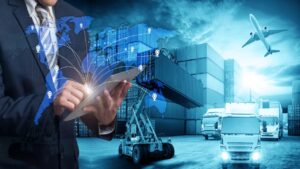
Challenges in Modern Global Trade
Despite the opportunities created by globalization, exporters today face a complex business environment.
Increasing Market Competition
International markets are no longer dominated by a few suppliers. Today, buyers can source products from multiple countries across Asia, Africa, Europe, and Latin America.
For exporters, this means that simply having a good product is no longer enough. Companies must also demonstrate reliability, transparency, and strong supply chain management.
Logistics Complexity
Global logistics has become more complicated in recent years. Shipping delays, container shortages, changing freight costs, and port congestion have added layers of uncertainty to international trade.
Managing these challenges requires better planning, stronger partnerships with logistics providers, and access to reliable market information.
Finding Reliable Buyers
Another challenge many exporters face is identifying genuine international buyers. While digital platforms have made global connections easier, they have also introduced risks such as unreliable inquiries or unclear demand signals.
Exporters must invest time in researching markets, verifying buyers, and building long-term relationships rather than chasing short-term deals.
Rapidly Changing Market Conditions
Consumer preferences, trade regulations, and geopolitical developments can influence international markets quickly. Export businesses must stay informed and adaptable to respond to these changes effectively.
All of these factors highlight a key reality: modern global trade requires smarter decision-making and better information than ever before.
The Role of AI in Global Trade
Artificial Intelligence is beginning to play a significant role in how exporters understand and operate in international markets.
While AI will not replace the human relationships that drive global trade, it can provide powerful tools that help businesses make better decisions.
Market Research and Data Insights
One of the biggest advantages of AI is its ability to analyze large volumes of data quickly.
Exporters can use AI tools to study global market trends, identify demand patterns, and evaluate potential markets more efficiently than traditional methods.
For example, AI can help companies analyze trade data to understand which countries are increasing imports of certain commodities and which markets may offer future growth opportunities.
Buyer Discovery
Finding the right buyers is one of the most important aspects of export success.
AI-powered platforms can help identify potential importers by analyzing company databases, trade records, and digital activity across markets. This allows exporters to discover opportunities that might otherwise remain hidden.
Communication and Language Support
International trade often involves communicating across languages and cultures. AI-powered translation and communication tools can help exporters engage with buyers in different regions more effectively.
These tools help reduce misunderstandings and improve professional communication.
Supply Chain Insights
AI is also improving supply chain visibility. Data-driven tools can monitor shipping routes, track container movement, and analyze logistics performance.
This information allows exporters to anticipate delays, optimize shipping decisions, and manage supply chains more efficiently.
Better Decision Making
Perhaps the greatest value of AI lies in decision support. By analyzing historical data and current trends, AI tools can help exporters evaluate risks, forecast demand, and plan production more strategically.
Used correctly, these technologies can complement human expertise rather than replace it.
The Importance of Upskilling in the Export Industry
Technology alone does not transform businesses—people do.
As new tools become available, professionals in the export industry must continuously upgrade their knowledge and capabilities.
Learning New Trade Technologies
Export professionals must become comfortable using digital tools for market analysis, logistics tracking, and buyer communication.
Understanding these technologies can significantly improve efficiency and competitiveness.
Strengthening Market Knowledge
Upskilling also means staying informed about global market developments. Exporters must monitor economic trends, regulatory changes, and consumer preferences in international markets.
This knowledge helps companies identify new opportunities and avoid potential risks.
Developing Strategic Thinking
Successful exporters think beyond individual shipments. They focus on building long-term market presence, establishing reliable supply chains, and developing strong buyer relationships.
Upskilling helps professionals move from operational thinking to strategic decision-making.
Encouraging a Learning Culture
Forward-thinking companies encourage teams to continuously learn and adapt. Training programs, industry events, and knowledge sharing can help organizations stay ahead in a rapidly changing global trade environment.
How Forward-Thinking Export Companies Are Adapting
Many export companies are already beginning to integrate technology and learning into their business strategies.
Companies that succeed in international markets tend to share several common characteristics:
Embracing Innovation
They explore new technologies that can improve market research, communication, and logistics visibility.
Investing in Knowledge
They encourage employees to develop expertise in global trade regulations, digital tools, and market intelligence.
Building Strong Global Relationships
Even in a digital world, trust remains central to international trade. Successful exporters focus on transparency, reliability, and long-term partnerships.
Maintaining Quality and Consistency
Technology may improve efficiency, but product quality and consistency remain the foundation of export success.
At Paathway Global, these principles guide the way the company approaches international markets. By combining industry experience with continuous learning, the company aims to strengthen its position as a reliable partner for global buyers.
The Future of AI in International Trade
Looking ahead, the role of technology in global trade will continue to expand.
AI is likely to influence several areas of export operations:
Smarter Market Forecasting
Advanced analytics will allow exporters to anticipate market demand more accurately and plan production accordingly.
More Transparent Supply Chains
Technology will improve traceability and supply chain visibility, helping buyers verify product origin, quality, and logistics performance.
Faster Trade Processes
Digital documentation and automated customs procedures may reduce delays and improve efficiency in international shipping.
More Informed Business Decisions
As data becomes more accessible, exporters will be able to make better strategic decisions based on real-time information rather than assumptions.
However, even as technology advances, the fundamentals of global trade will remain the same.
Relationships, trust, reliability, and professionalism will continue to define successful exporters.
AI will support these values—but it cannot replace them.
Conclusion: Knowledge and Technology Are the New Competitive Advantage
The world of global trade is evolving. Technology is reshaping how exporters analyze markets, communicate with buyers, and manage supply chains.
For businesses involved in international trade, this transformation presents both challenges and opportunities.
Companies that invest in knowledge, embrace innovation, and remain adaptable will be better positioned to succeed in the years ahead.
At the same time, exporters must remember that technology is a tool, not a substitute for human expertise. Building trust with buyers, maintaining consistent product quality, and developing long-term partnerships remain the foundations of global trade.
For companies like Paathway Global, the goal is to combine experience, technology, and continuous learning to navigate the future of international markets.
In a world where markets evolve rapidly, the most valuable advantage an exporter can have is the willingness to keep learning and adapting.