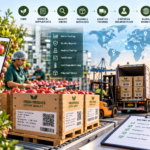

Global Trade Is Expanding Beyond Traditional Markets
For decades, when exporters discussed international trade, the focus was usually on a handful of established destinations.
Markets like:
- the United States
- Western Europe
- Japan
- and a few major economies
were considered the primary growth engines for exporters.
These markets continue to be important.
However, something significant is happening in global trade today.
The next wave of export growth is increasingly coming from places that were once considered secondary markets.
Countries across:
- Africa
- Central Asia
- Southeast Asia
- Eastern Europe
- and parts of the Middle East
are emerging as powerful trade destinations.
For exporters willing to look beyond traditional routes, these regions are creating opportunities that simply did not exist a decade ago.
And for Indian exporters, this shift could become one of the most important developments of the coming years.
Why Emerging Markets Are Gaining Importance
Several global factors are driving this transition.
Growing Populations
Many emerging economies are experiencing rapid population growth.
More people means:
- higher food consumption
- increased infrastructure demand
- greater retail expansion
- stronger consumer markets
As purchasing power improves, demand for imported products naturally rises.
Economic Development
Many developing nations are investing heavily in:
- transportation networks
- logistics infrastructure
- industrial zones
- port modernization
As these economies become more connected to global supply chains, international trade activity expands.
Diversification of Supply Sources
Global buyers are increasingly seeking alternatives to traditional sourcing destinations.
Businesses want:
- greater flexibility
- reduced dependency
- stronger supply security
This trend is opening doors for exporters from countries like India.
The Rise of Africa as a Trade Destination
One of the most interesting developments in global trade is the rise of Africa.
For many years, Africa was viewed primarily as a resource-rich continent.
Today, it is becoming a significant consumer market as well.
Several African nations are experiencing:
- urbanization
- infrastructure development
- expanding middle-class populations
- increasing food demand
Products seeing growing demand include:
- agricultural commodities
- rice
- spices
- processed foods
- packaged consumer goods
Many African markets also value long-term supplier relationships, making them attractive for exporters focused on sustainable growth.
Central Asia: A Region Worth Watching
Central Asian countries are receiving increasing attention from global exporters.
Nations such as:
- Kazakhstan
- Uzbekistan
- Kyrgyzstan
- Tajikistan
are expanding trade connections and improving logistics networks.
These markets often depend on imports for:
- food products
- agricultural inputs
- processed goods
- consumer products
As connectivity improves, opportunities for Indian exporters continue to grow.
Southeast Asia’s Growing Appetite for Trade
Southeast Asia remains one of the world’s fastest-growing economic regions.
Countries across the region are seeing:
- rising incomes
- growing urban populations
- increased industrialization
Demand continues to expand for:
- fresh produce
- spices
- processed foods
- agricultural products
- sustainable consumer goods
For exporters, proximity and strong shipping connections create additional advantages.
Why Agriculture Exporters Should Pay Attention
Agriculture remains one of the sectors most likely to benefit from emerging market growth.
Food security is becoming a major priority worldwide.
Climate challenges in various regions are creating supply gaps.
As a result, countries are actively seeking dependable sourcing partners.
India’s strengths include:
- agricultural diversity
- year-round production capabilities
- competitive pricing
- strong farming ecosystem
Products such as:
- fruits
- vegetables
- onions
- pomegranates
- rice
- spices
- pulses
continue to see demand across emerging markets.
For exporters, this creates significant opportunities to establish long-term relationships before markets become overcrowded.
The Importance of Understanding Local Markets
One mistake exporters often make is assuming every market behaves the same way.
In reality, each region has unique characteristics.
Consumer preferences can differ significantly.
For example:
- packaging expectations vary
- product specifications differ
- purchasing patterns change
- cultural preferences influence buying decisions
Successful exporters invest time in understanding local requirements before entering a market.
This often creates a stronger competitive advantage than simply offering lower prices.
Trust Matters More Than Ever
Emerging markets often place tremendous importance on relationships.
While pricing and quality remain important, trust frequently becomes the deciding factor.
Buyers want suppliers who:
- communicate consistently
- honor commitments
- maintain quality standards
- solve problems professionally
Exporters who invest in relationship-building often create opportunities that extend far beyond a single transaction.
Technology Is Making Market Expansion Easier
A decade ago, entering new markets required significant resources.
Today, technology has transformed how exporters operate.
Businesses can now:
- research markets online
- connect with buyers digitally
- participate in virtual trade events
- monitor demand trends in real time
Digital tools are reducing barriers that previously limited smaller exporters.
This is one reason emerging exporters are competing more effectively than ever before.
Challenges Exporters Must Prepare For
While emerging markets offer tremendous potential, they also present challenges.
These include:
Regulatory Differences
Documentation requirements may vary significantly.
Exporters must ensure compliance with:
- import regulations
- certifications
- product standards
Payment Security
As with any international business activity, payment protection remains critical.
Exporters should:
- verify buyers thoroughly
- use secure payment structures
- build relationships gradually
Logistics Complexity
Some emerging markets may have:
- developing infrastructure
- longer transit times
- additional documentation requirements
Planning becomes especially important.
The Advantage of Early Market Entry
One reason many successful exporters focus on emerging markets is timing.
Entering a market early often allows businesses to:
- build relationships first
- establish brand recognition
- understand buyer behavior
- develop local networks
Once competition increases, these advantages become difficult to replicate.
In many cases, early entrants become preferred suppliers simply because they invested before everyone else arrived.
How Paathway Global Views This Opportunity
At Paathway Global, we believe export growth increasingly depends on identifying opportunities before they become obvious.
Traditional markets remain important.
However, long-term growth also requires exploring new possibilities.
Our approach focuses on:
- understanding market trends
- building trusted buyer relationships
- maintaining product quality
- supporting sustainable trade expansion
Whether through agricultural products, processed goods, spices, or emerging product categories, the objective remains the same:
👉 Create long-term value through responsible international trade.
The Future Belongs to Explorers
Global trade is entering a new phase.
The next decade may not be defined solely by established markets.
Instead, growth is likely to come from regions that are:
- expanding economically
- increasing consumption
- strengthening infrastructure
- building global trade connections
Exporters who remain curious, adaptable, and willing to explore new opportunities will be best positioned for long-term success.
Conclusion: Opportunity Often Exists Where Others Are Not Looking
Many exporters spend years competing in the same crowded markets.
Meanwhile, new opportunities are quietly developing elsewhere.
The future of global trade will not only belong to the biggest exporters.
It will belong to those who:
- identify change early
- build relationships patiently
- understand emerging markets deeply
- and adapt before the rest of the industry catches up
Because in global trade, opportunity often appears long before it becomes obvious.
And those who recognize it early are usually the ones who benefit the most.