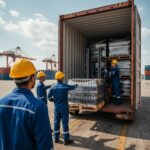

The Quiet Side of the Export Industry
When people think about exports, they usually imagine big cargo ships, global markets, and large numbers on spreadsheets. And yes, international trade does involve all those things. But if you spend enough time in this industry, you begin to notice something deeper.
Exporting is not just about moving products from one country to another. It’s about understanding people, building trust across borders, and learning how the world actually works.
Over time, the daily routines of export operations—checking shipments, coordinating logistics, speaking with buyers, working with farmers—start to reveal small but meaningful lessons.
These are the things that rarely appear in business reports or trade statistics, yet they shape how exporters think and operate.
At Paathway Global, we’ve experienced many of these moments. They remind us that global trade is as much about human relationships and perspective as it is about logistics and commerce.
This blog is not about a specific commodity or market trend. Instead, it’s about the observations and insights that naturally emerge when you spend enough time in the world of exports.
Global Trade Connects More People Than We Realize
One of the most fascinating aspects of exporting is how interconnected the world becomes.
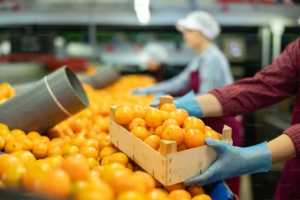
A shipment might start its journey on a farm in India. From there it moves through a packhouse, reaches a port, travels across oceans, clears customs in another country, and finally reaches a supermarket shelf.
By the time the product reaches the consumer, dozens of people have played a role in the process.
Farmers, logistics teams, exporters, freight operators, customs officials, distributors, and retailers all contribute to that single shipment.
What seems like a simple transaction actually represents an entire network of collaboration.
And when you see this repeatedly, you begin to understand something important: global trade is not just about goods—it’s about people depending on each other across borders.
Markets May Be Global, but Trust Is Always Personal
Another interesting realization in exports is that despite operating across continents, relationships still matter at a very personal level.
International buyers often work with suppliers thousands of kilometers away. They may never meet face to face frequently, yet their businesses depend on each other.
Over time, trust becomes the foundation of those relationships.
A buyer remembers when a supplier handled a difficult shipment responsibly.
An exporter remembers when a buyer remained patient during unexpected delays.
These moments build a level of understanding that goes far beyond contracts or pricing discussions.
In many ways, successful export relationships resemble long-term partnerships rather than simple commercial transactions.
The Industry Teaches Patience
If there is one skill exporting teaches quickly, it is patience.
Unlike some industries where results appear quickly, international trade moves at its own pace. Harvest cycles, shipping schedules, customs procedures, and market conditions all influence timelines.
Sometimes opportunities take months or even years to develop.
A new exporter may begin with a single small order. Over time, if everything goes well, that relationship might grow into regular shipments.
But it rarely happens overnight.
Those who stay consistent and patient often discover that the rewards eventually follow.
Every Market Has Its Own Personality
Another thing exporters notice is that every market behaves differently.
Consumer preferences vary from region to region. Packaging that works well in one country may not be suitable for another. Some buyers prioritize premium presentation, while others focus on competitive pricing.
Learning these nuances becomes part of the exporter’s journey.
Understanding markets is not just about reading data; it’s about listening to buyers, observing trends, and adapting to local expectations.
This constant learning keeps the industry dynamic and interesting.
Challenges Are Part of the Journey
Anyone involved in exports knows that things do not always go exactly as planned.
Weather can affect crops.
Ports may experience congestion.
Shipping schedules might change unexpectedly.
These situations are not unusual—they are simply part of operating in global supply chains.
What matters most is how companies respond.
Professional exporters focus on communication, transparency, and problem-solving. Addressing challenges responsibly often strengthens relationships rather than damaging them.
In fact, some of the strongest partnerships in trade are built during difficult moments.
The Value of Consistency
In international trade, consistency is one of the most valuable qualities an exporter can have.
Buyers rely on suppliers who deliver predictable results. This means maintaining stable product quality, reliable documentation, and professional communication.
Consistency builds confidence.
When buyers know they can depend on a supplier season after season, business relationships naturally grow stronger.
For exporters, this means paying attention to every detail—from sourcing and packaging to logistics and documentation.
Small improvements repeated consistently over time create significant long-term results.
Technology Is Changing the Way Trade Works
Over the past decade, technology has transformed many aspects of the export industry.
Digital documentation systems, supply chain tracking tools, and temperature monitoring technologies have improved efficiency and transparency.
These innovations help exporters manage complex logistics more effectively.
At the same time, technology has made markets more accessible. Buyers and sellers from different countries can now connect instantly through digital platforms.
Despite these changes, one thing remains constant: strong relationships still drive successful trade.
Technology can facilitate transactions, but trust continues to build partnerships.
The Bigger Perspective of Exporting
When you step back from the daily details of shipments and documentation, exporting begins to look different.
It becomes clear that global trade is more than just business activity.
It is a system that connects communities, supports livelihoods, and creates opportunities across borders.
A farmer’s harvest may help sustain businesses in another country. A distributor’s network may introduce new products to consumers thousands of kilometers away.
Each successful shipment represents collaboration between people who may never meet but share a common goal.
This perspective gives deeper meaning to the work exporters do every day.
A Thought for New Exporters
For those considering entering the export industry, one piece of advice stands out: approach the business with curiosity and patience.
The technical aspects of trade—documentation, logistics, compliance—can all be learned over time.
What truly matters is developing the right mindset.
Be willing to learn from every shipment.
Stay open to feedback from buyers.
Focus on building relationships rather than chasing quick wins.
International trade rewards those who remain consistent, reliable, and adaptable.
Looking Forward
The world of exports will continue evolving as markets expand and supply chains adapt.
But some fundamentals will always remain important.
Businesses that prioritize trust, quality, and long-term partnerships will continue to thrive in global markets.
At Paathway Global, these principles guide how we approach every shipment and every relationship.
And sometimes, the most valuable lessons we learn in exports are the quiet ones—the observations that come simply from spending time in the industry and understanding how global trade truly works.